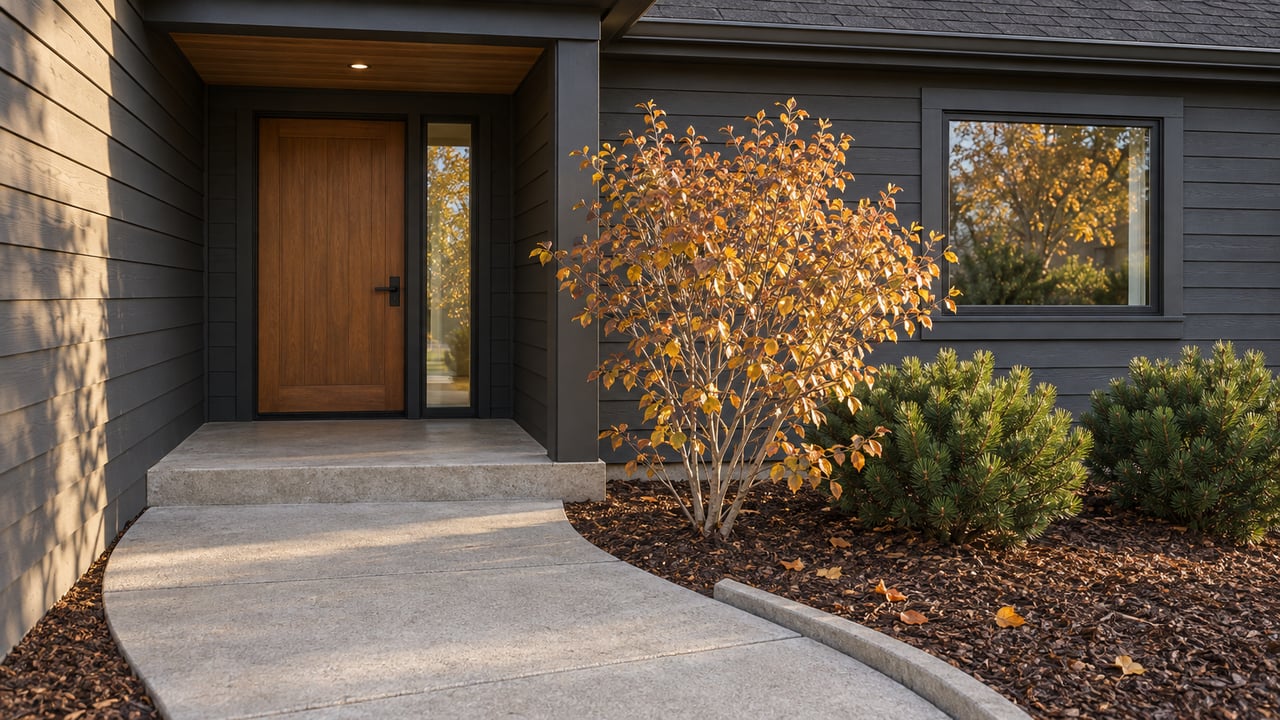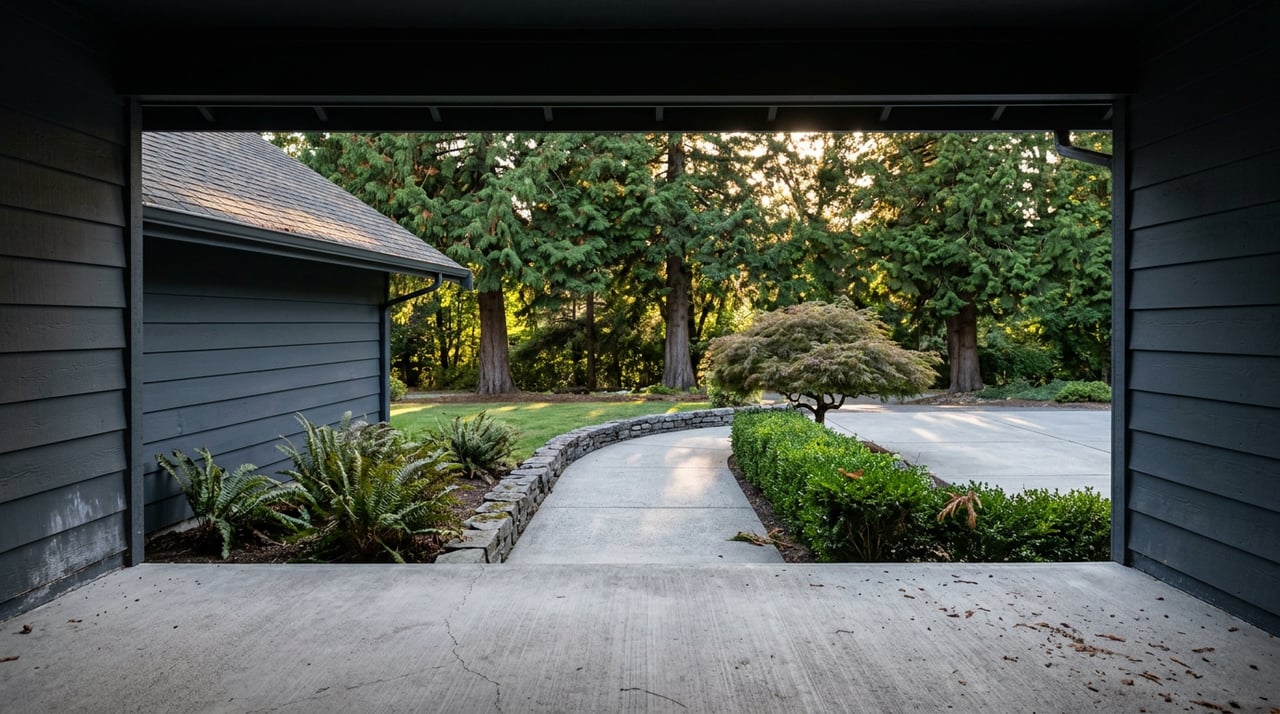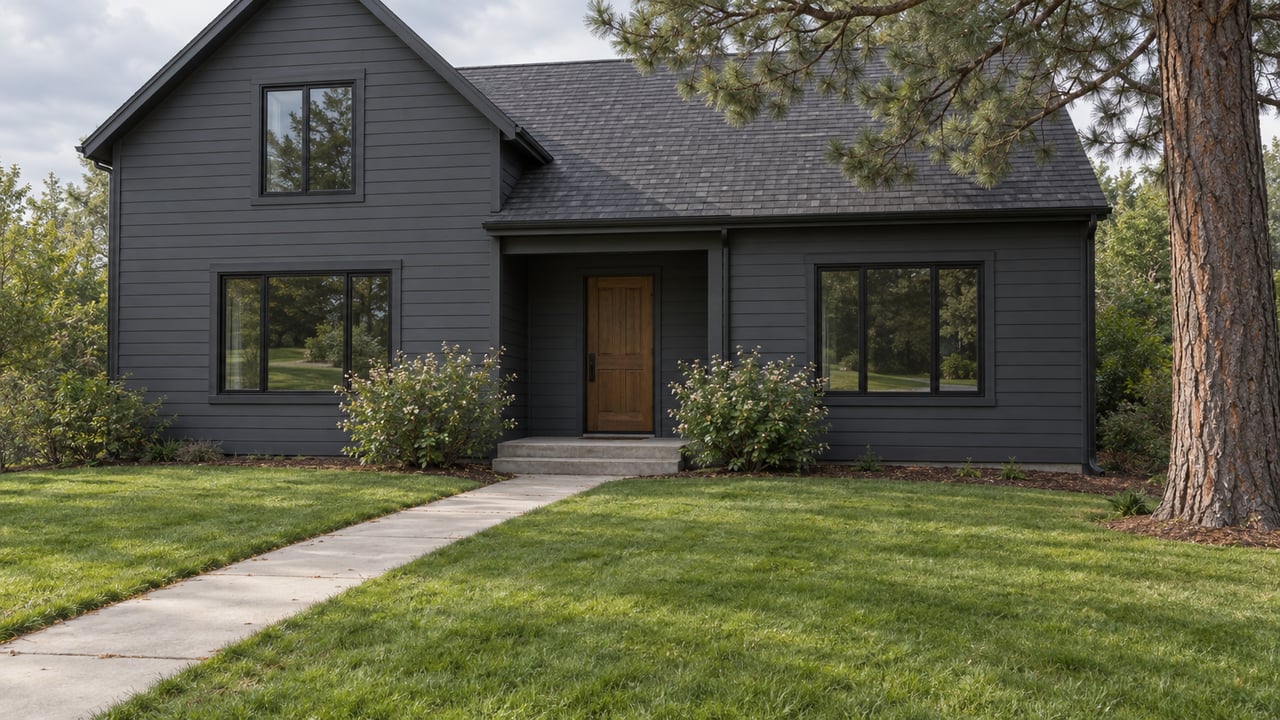
A five-acre parcel on the edge of Fruitland looks like the easy math. County land costs less per acre than an in-town lot, the view opens up toward the farmland instead of a neighbor's fence, and the assumption is simple: buy it, permit it, build it. That assumption is the part that trips people up.
In Payette County, owning a parcel and holding the legal right to put a house on it are two separate things. The right to build a single-family home on a piece of rural ground is called a development right, and not every parcel comes with one attached. When it doesn't, the right has to be moved there from somewhere else, through a specific legal process, recorded at the courthouse, with permanent consequences for the piece of ground it came from.
The Deed and the Building Right Are Two Different Documents
Payette County zoning code sorts land into parcels that already qualify for a residential building permit and parcels that don't. If your five acres falls into the second group, you don't get to build simply because you bought it. Someone has to legally hand over a development right from a qualifying parcel, called the sending property, to your non-qualifying parcel, the receiving property. The county calls the whole transaction a Transfer of Development Rights, or TDR.
This isn't a formality you sign at closing without thinking about it. The county's own TDR page describes a process that runs through the Planning and Zoning Commission and the Board of County Commissioners, with a public hearing before anyone gets a yes. County code lays out what qualifies a parcel as a sending property in the first place: land that helps preserve open space, protects farmland suited to long-range farming and ranching, or avoids creating a hazard near an airport.
What Happens When You Move a Building Right
If the board approves a transfer, the paperwork doesn't end there. The buyer has to record the Transfer of a Development Right Agreement with the Payette County Clerk within ninety days of approval. Miss that window and the approval is withdrawn, with no refund of the fees already paid.
The sending parcel pays a steeper price. Once its development right has been transferred away, county code disqualifies that parcel from receiving any further building rights, permanently, unless fifty years pass and the owner applies for a rezone and subdivision approval from scratch. Idaho Code 67-6515A, the state statute that authorizes counties to run TDR programs at all, treats a transferred right as a real interest in property that passes to the buyer's heirs and successors. An unexercised right isn't taxed as real or personal property, but once it's used, the restriction on the original parcel is permanent unless the county specifically chooses to lift it.
If the receiving parcel sits inside a city's area of impact, which covers ground around Fruitland that the city expects to eventually annex, the county has to send the application to the city for review and comment before deciding anything.
Why This Keeps Coming Up on Fruitland's Edges
This isn't a hypothetical for Fruitland. The city's population has grown by roughly a fifth since the 2020 census, and its own planning and zoning hearing log reads like a running account of farmland turning into subdivisions. Waters Edge Subdivision was annexed and platted from property running west of North Vista Avenue and Washoe Road to the Snake River. Orchard Heights Subdivision came through on a development agreement. Creekside Commercial Subdivision and Two Rivers Subdivision both went through zone and comprehensive plan changes with preliminary plats in the same recent stretch. Each of those is the ag-to-residential conversion the TDR rule exists to manage, playing out in real time at the edges of town.
Idaho's 2026 legislative session passed a package of housing bills, including a measure that makes it easier to split residential lots, but that particular law applies to cities of 10,000 residents or more, according to Sightline Institute's coverage of the session. Fruitland's population sits below that threshold. The new state tool that's making lot splits simpler in bigger Idaho cities doesn't reach here. For land at Fruitland's edge, the county's TDR process is still the operative mechanism, not a relic waiting to be replaced.
The Water Doesn't Move With the Right
Even a successful transfer doesn't hand you everything you'd expect. County code is explicit that a transfer of a development right does not include any water rights. Those stay with the sending parcel. If irrigation water happens to be available on the receiving parcel and the county decides a split from the parent lot warrants it, a pressurized irrigation system may be required, and that system isn't allowed to add new weirs or diversions off the main ditch.
This is one reason new construction listings around Fruitland lean so heavily on phrases like pressurized irrigation and fully automatic underground sprinklers as selling points. Those systems get built and installed because they have to be, separately from whatever water rights existed on the ground before. It's infrastructure the builder added, not something that traveled automatically with the dirt.
What the Market Numbers Don't Show You
Fruitland's headline housing numbers as of August 2026 put the median list price at $469,000, essentially flat to down slightly year over year, with homes spending a median of 71 to 72 days on the market compared with a 56-day national average. The median sold price over the trailing twelve months runs closer to $385,000. New construction currently on the market carries a median listing price around $409,000, and at the affordable end, modular options like the Pure Series in Desert Rose Estates start around $101,900.
None of those figures price in a development right. A raw parcel outside the city that looks cheap per acre next to a finished subdivision lot is only cheap if it already qualifies for a building permit, or if a willing sending parcel and a completed TDR are part of the deal. Otherwise the real cost includes finding a landowner willing to give up their own future building right, a public hearing, a ninety-day recording deadline, and possibly a pressurized irrigation system paid for out of pocket. That's a cost the listing price never shows you, and it's a large part of why some rural-adjacent parcels near Fruitland sit on the market far longer than a finished lot in town.
Before You Write an Offer on Raw Ground Near Fruitland
A few questions worth answering before money changes hands:
- Does this specific parcel already carry a recorded residential building right, or would one need to be transferred in from somewhere else
- If a transfer is needed, is there an identified sending parcel, and has its owner actually agreed to it
- Does the parcel sit inside Fruitland's area of impact, which would add a city review step to the county's process
- Does the parcel come with water rights, and if not, what would a pressurized irrigation system realistically cost to install
- Has any part of this ground already been used as a sending parcel in a previous transfer, which would permanently rule out building here
FAQ
Does every rural lot near Fruitland need a Transfer of Development Rights? No. Many parcels already qualify for a residential building permit on their own. The TDR process only applies to parcels that don't qualify and need a right moved in from elsewhere.
Who decides which parcels can send a development right? The Payette County Planning and Zoning Commission and Board of County Commissioners, after a public hearing, based on criteria in county code around preserving farmland and open space.
Can a landowner keep their water rights after transferring a development right? Yes. County code separates the two explicitly. Water rights stay with the sending parcel even after the building right moves to a different piece of ground.
Land at Fruitland's edge can still be a smart buy. It just isn't a shortcut around the questions a finished subdivision lot already answers for you. If you're weighing raw acreage against a platted lot in one of the newer Fruitland subdivisions, Nikki Owens can walk through what a specific parcel actually qualifies for before you write an offer on it.